IN OTHER LANGUAGES
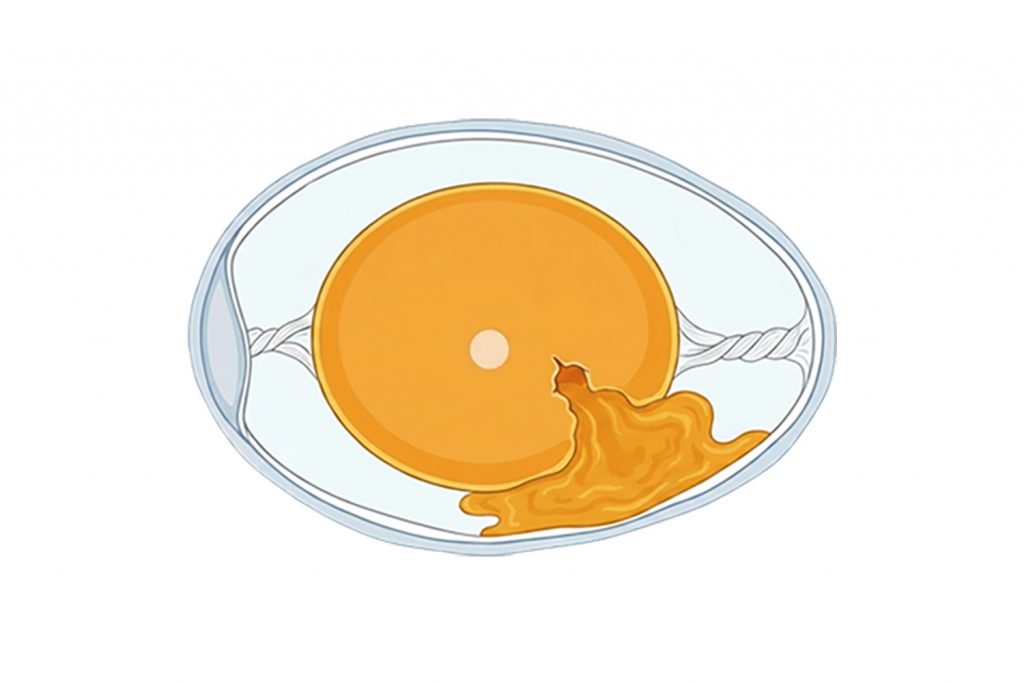
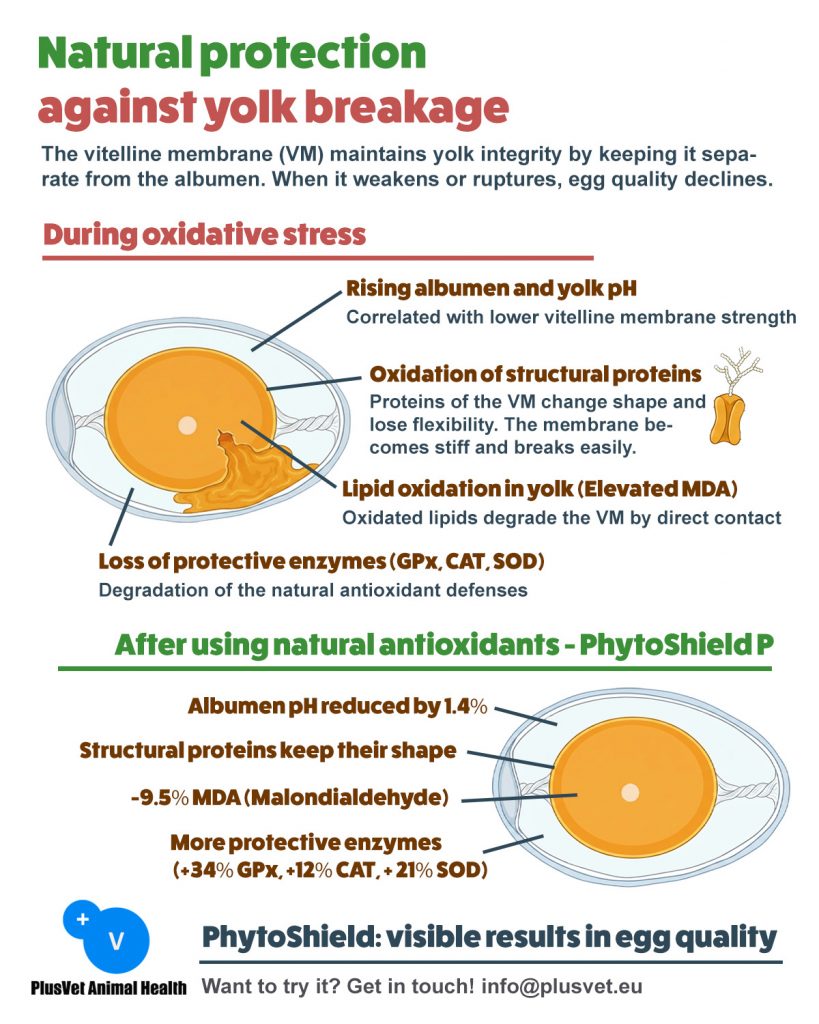
The vitelline membrane (VM) is a thin but essential structure that surrounds the egg yolk and keeps it separated from the albumen. Its integrity is critical for maintaining egg quality. When the membrane weakens or ruptures, the yolk loses its structure, spreads easily, and the overall egg quality declines.
This phenomenon is not only a quality issue in table eggs but also a major technological constraint in egg processing, particularly in the production of egg powder.
Oxidative stress occurs when there is an imbalance between reactive oxygen species (ROS) and antioxidant defenses in the hen.
This imbalance:
Eggs from hens under oxidative stress tend to show a higher albumen pH. Furthermore, albumen and yolk pH increase naturally over time during egg storage. At a high pH:
This leads to a reduction in membrane strength and resistance to rupture.
The VM is composed of a protein matrix that provides flexibility and tensile strength.
Under oxidative stress:
As a result, it cannot withstand mechanical stress during handling or processing.
The yolk is rich in polyunsaturated fatty acids (PUFAs), which are highly prone to oxidation.
This process weakens the boundary layer and reduces VM elasticity.
Eggs naturally contain antioxidant enzymes such as:
Under oxidative stress:
The most common triggers include:
These factors increase ROS production and compromise egg quality at its origin.
The use of natural antioxidants is a practical strategy to mitigate oxidative damage and protect the vitelline membrane.
Results obtained after using PhytoShield P for two months:
These results translate into:
PhytoShield© is an oral emulsion that contains essential oils, electrolytes and vitamins intended to promote growth, reduce oxidative stress, and keep the animals hydrated.

Certain health statements may not be applicable in your region. Copyright 2025© PlusVet Animal Health